
A sight-reading system built for real choir classrooms.
Choir Reader helps directors teach sight-reading in a way that is organized, efficient, and appropriate for singers at different levels.
Differentiated learning for the whole choir
The material is presented in a consistent sequence so singers can grow progressively through the levels while still working at an appropriate challenge point.
Rapid, efficient flow
The lesson structure is built to move smoothly and can fit naturally into a short daily rehearsal segment. Beginning groups may need only a few minutes, while more advanced mixed-level groups can usually complete the flow in about 15 minutes.
Clean grading period structure
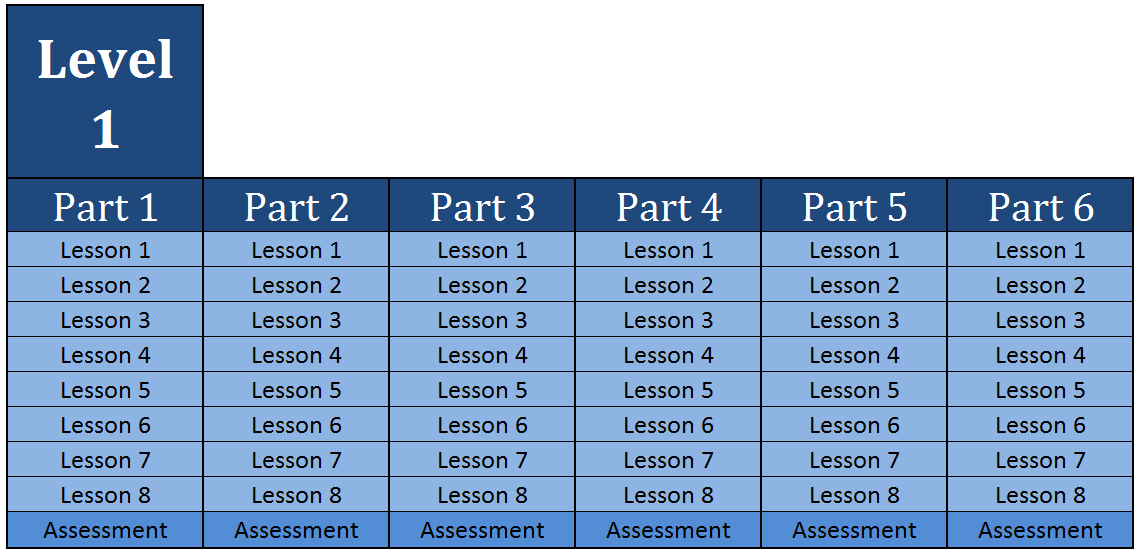
A typical rhythm is three days per week, with eight lessons and one assessment over about three weeks. That gives directors a clear pattern that can continue steadily across the year.
A pacing structure that is easy to follow
The curriculum is built around a consistent lesson-and-assessment rhythm and can still flex when your school schedule changes.
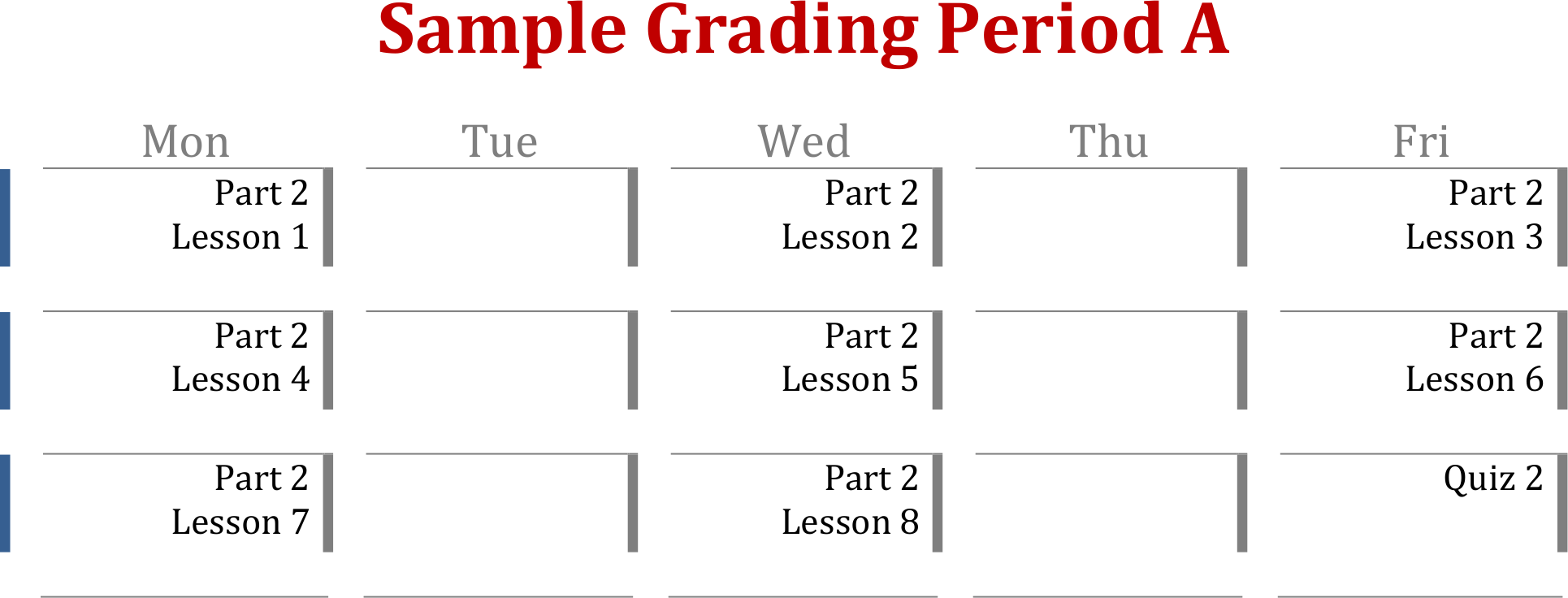
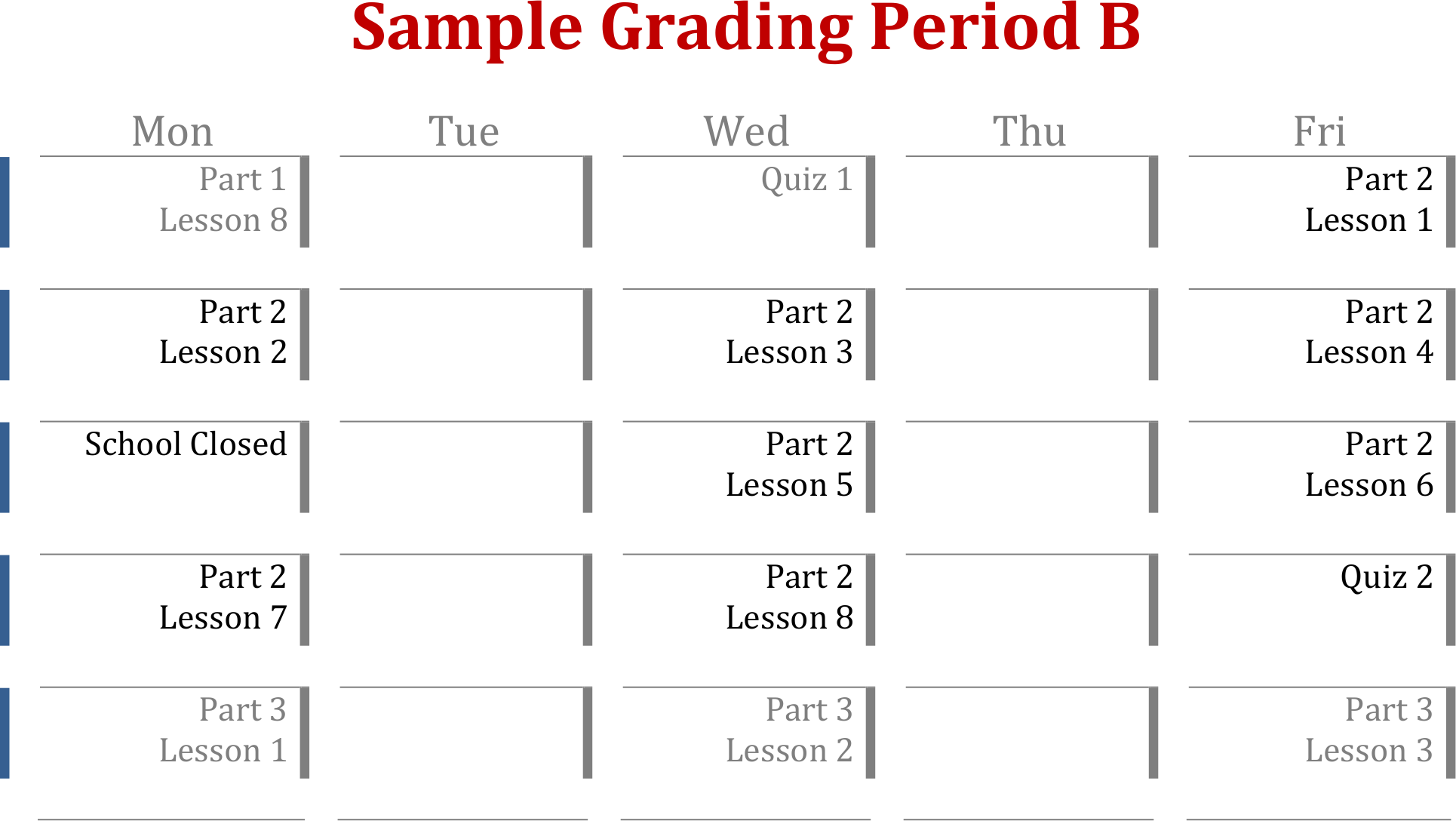

Tracks every student’s progress
Even when students are spread across multiple levels, they continue progressing together within their own level. That makes it easier to see where each singer is and assess growth clearly over time.
When it is time for assessment, students use the coordinating demonstration example for their level.

Positive, appropriate assessments
The assessment structure is meant to reinforce progress with clear and attainable goals, so evaluation stays connected to the learning process.
Concepts paced and presented in order
Choir Reader begins simply and builds in a logical sequence toward reading in all major and minor keys and 13 time signatures.
Notation taught in context
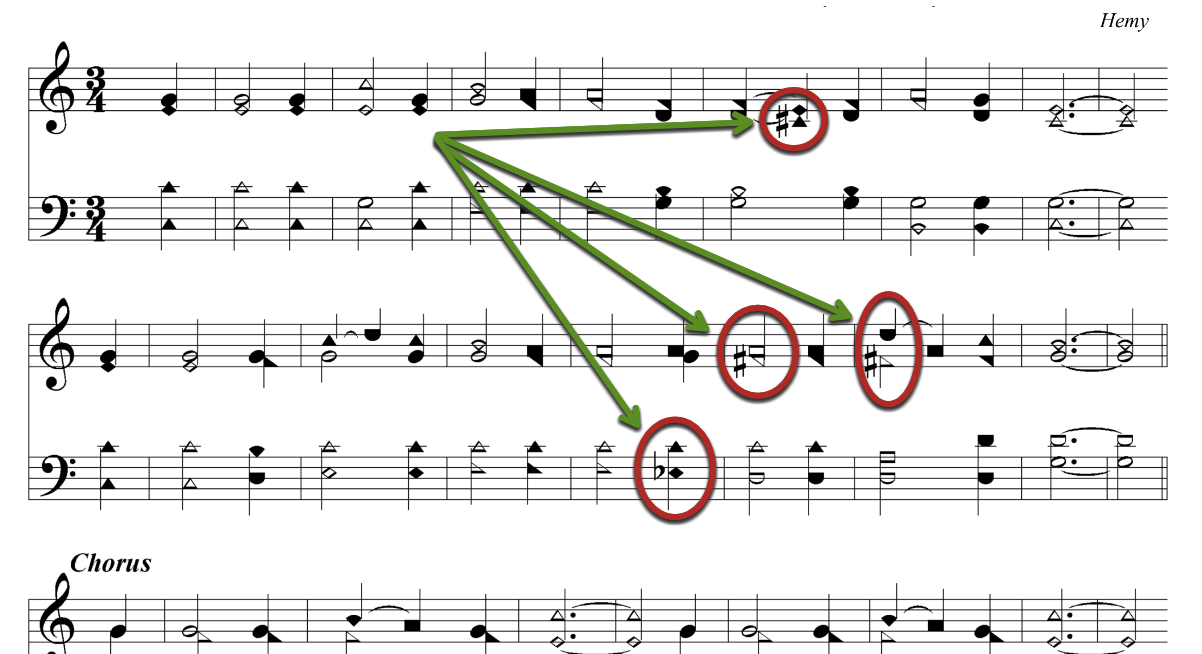
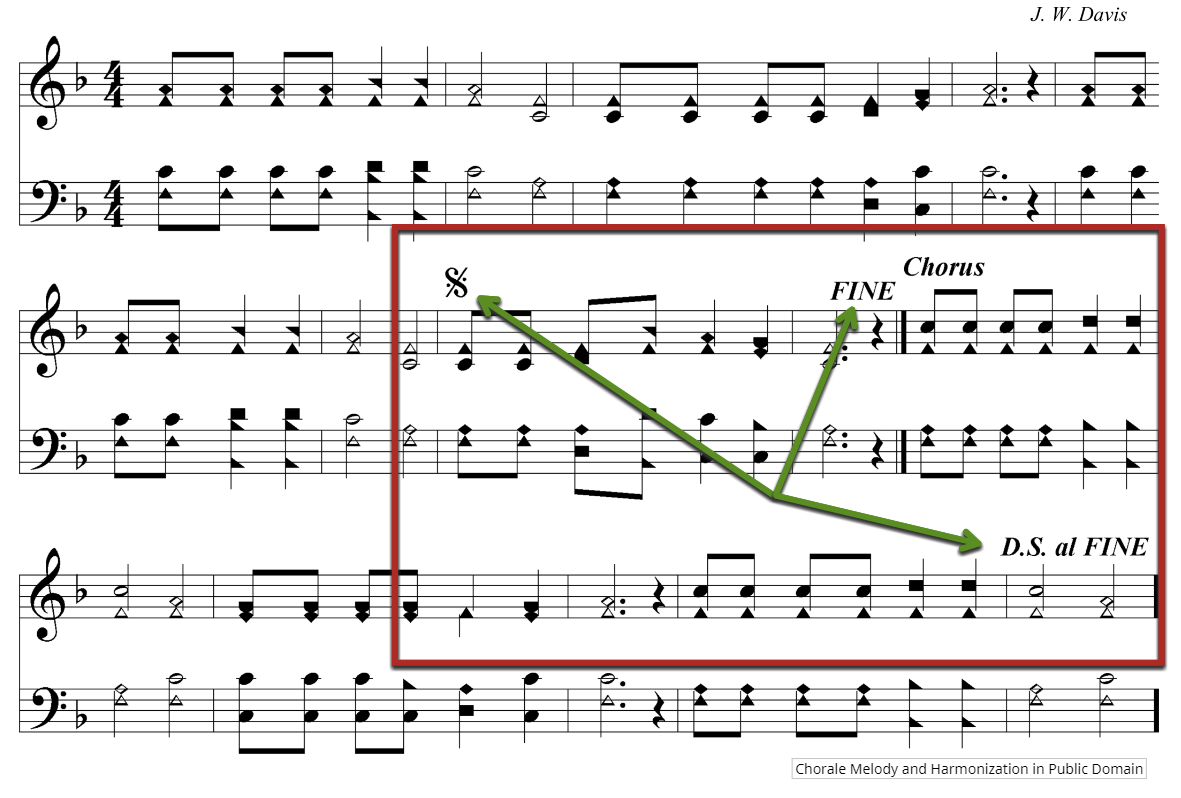
Accidentals are presented in the context of harmony, and directional notation is practiced in chorales so the material stays connected to real music-making.
Accidentals
Directional Notation
Take a closer look at how Choir Reader works.
Try the first part of the program or get Choir Reader for your school today.